History & Real Events
Famous Inventions and the Movies Behind Them
Discover famous inventions and the films about their creators, from Leonardo’s designs to modern ingenuity.
This journey is for you if…
You enjoy true stories about resourceful people—and want to see how an idea becomes something the world can use.
Why this order works
Ordered by the historical period of the invention or development, not by the film release year. Design concepts and adaptations are labeled explicitly.
- 01
CHAPTER 1
From concepts to electric power
Follow designs, voice transmission, lighting, and electrical motors.
Late 1400s–early 1500s · Design concepts
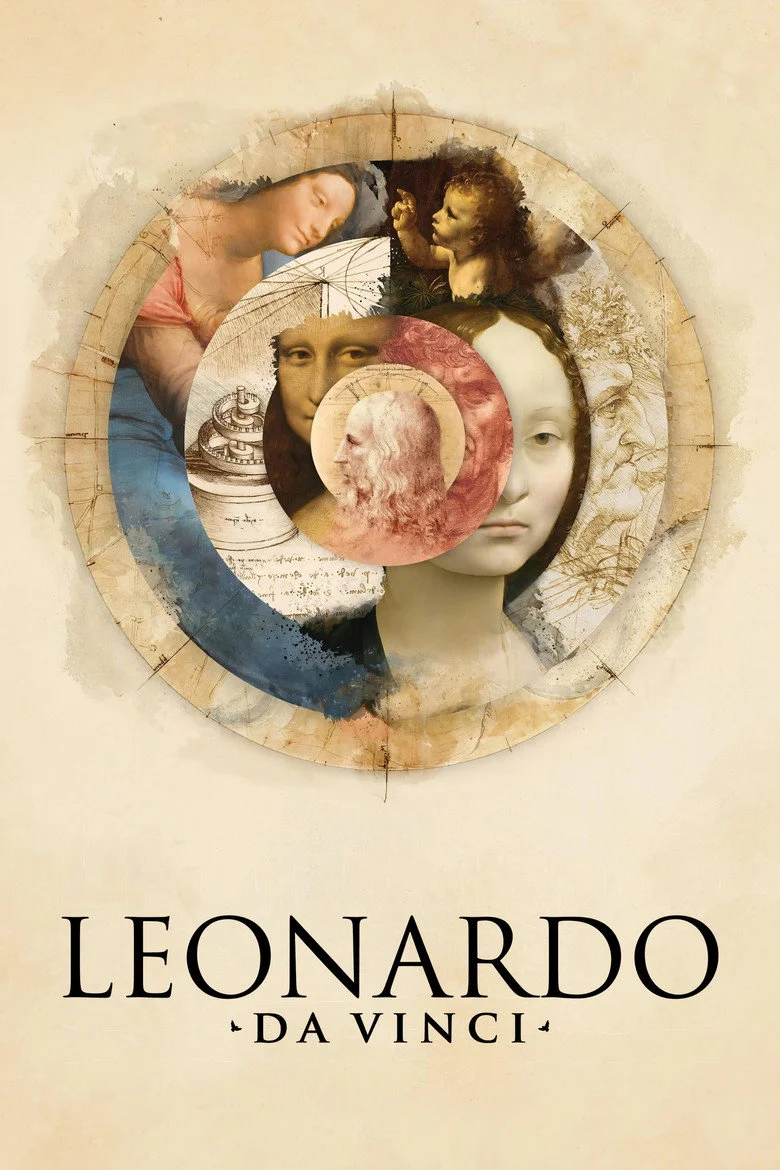
Flying-Machine Designs
People behind it: Leonardo da Vinci
Sketches exploring how people might fly, including machines inspired by the movement of birds. These were visionary designs, not a working airplane or helicopter.
Why it matters
Leonardo’s notebooks show how close observation can inspire engineering ideas, even when materials and power sources cannot yet realize them.
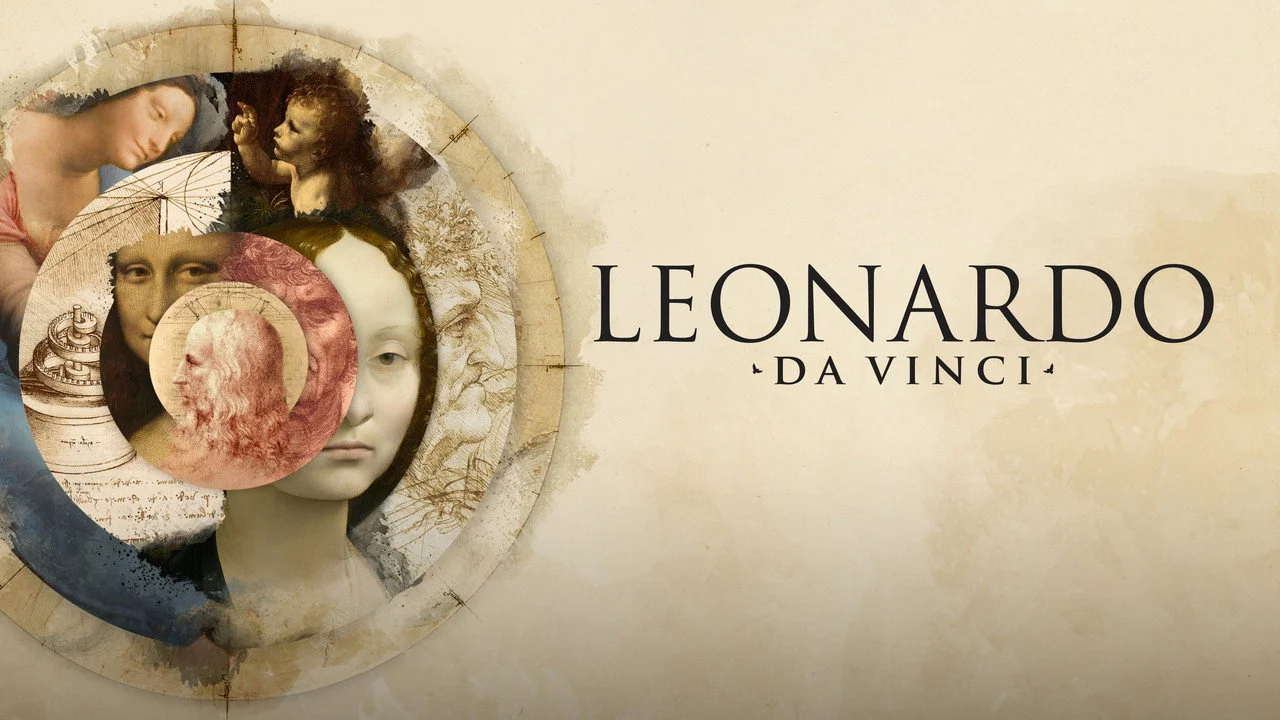
The movie
A two-part documentary exploring Leonardo’s art, engineering, notebooks, and curiosity about the natural world.
History behind the movie
People behind it: Leonardo da Vinci. Leonardo studied and designed flying machines centuries before powered flight. His sketches must not be presented as successfully built modern aircraft.
Viewing lens: Separate a striking sketch from a mechanism that could actually work. Notice how studies of birds feed the designs.
WHY NEXTMove from Leonardo’s imagined machines to Bell’s experiments with a practical way to carry the human voice.
- 02
1870s · Invention
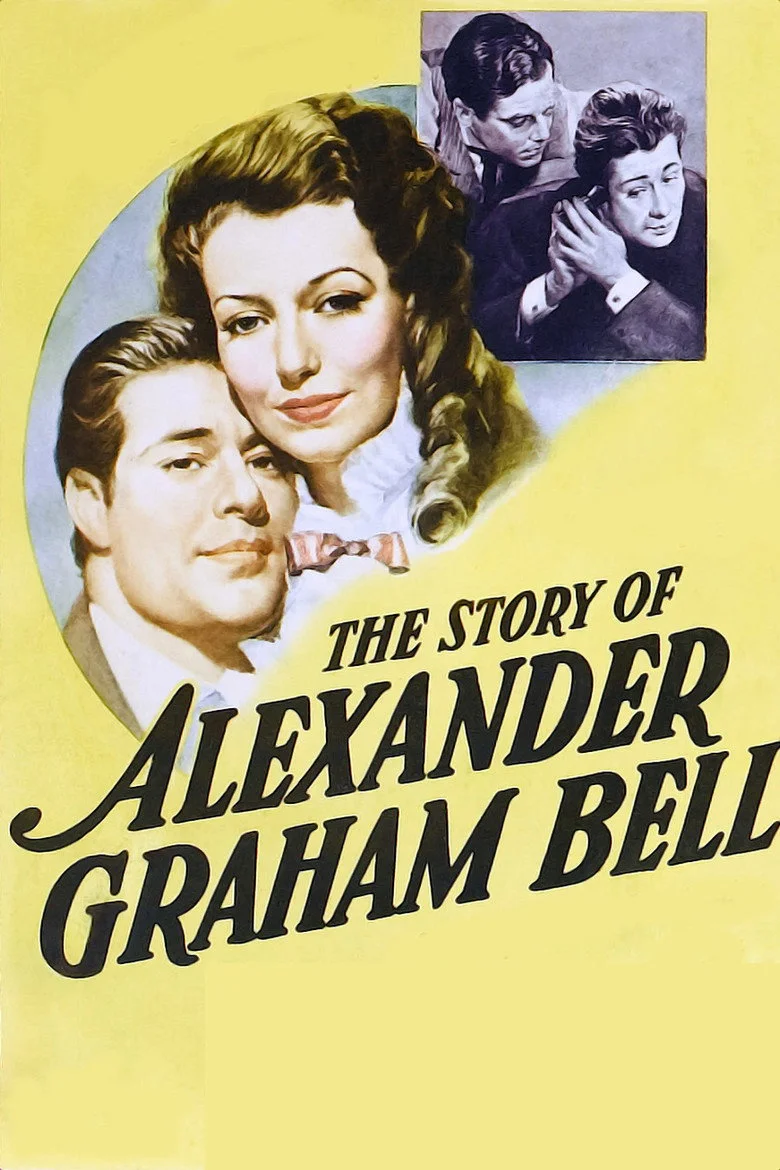
The Telephone
People behind it: Alexander Graham Bell & Thomas Watson
A device that carries speech through electrical signals, allowing people in different places to talk over a wire.
Why it matters
Electrical speech transmission helped make direct conversation over distance an everyday possibility.
The movie
A classic biographical drama about Bell’s experiments, his work with Watson, and the struggle to establish the telephone.
History behind the movie
People behind it: Alexander Graham Bell & Thomas Watson. The telephone developed through the work of multiple experimenters. Bell and Watson’s story is an important part of that history; this film is a dramatization.
Viewing lens: Notice the movement between experiments with sound and the challenge of making a clear, usable signal.
WHY NEXTAfter transmitting speech, explore Edison’s larger challenge: making electric light work as a usable system.
- 03
1879 · lamp development · Invention development
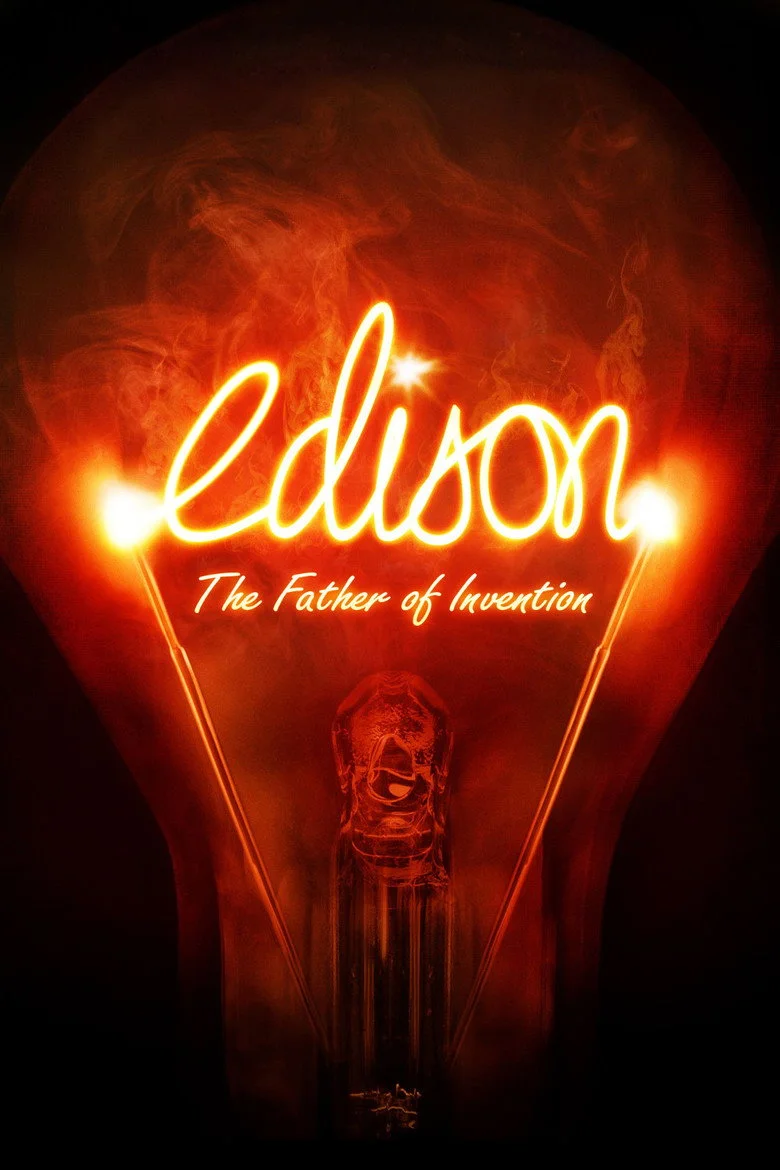
Practical Incandescent Electric Light
People behind it: Thomas Edison & his laboratory team
A durable incandescent lamp developed alongside the equipment needed to supply electric lighting to homes and businesses.
Why it matters
Useful electric lighting depended on a whole supply system, helping change how buildings and streets could be lit.
The movie
A documentary about Edison’s inventions, laboratory team, ambition, and business battles, including the development of electric light.
History behind the movie
People behind it: Thomas Edison & his laboratory team. Edison did not invent the first electric light. His team developed a practical incandescent lighting system, building on earlier work by others.
Viewing lens: Look for the laboratory team and the supporting equipment behind the familiar image of a lone inventor and a light bulb.
WHY NEXTElectric light needs a supply network. Tesla’s motor opens the next part of the story of electrical power.
- 04
1880s · Invention
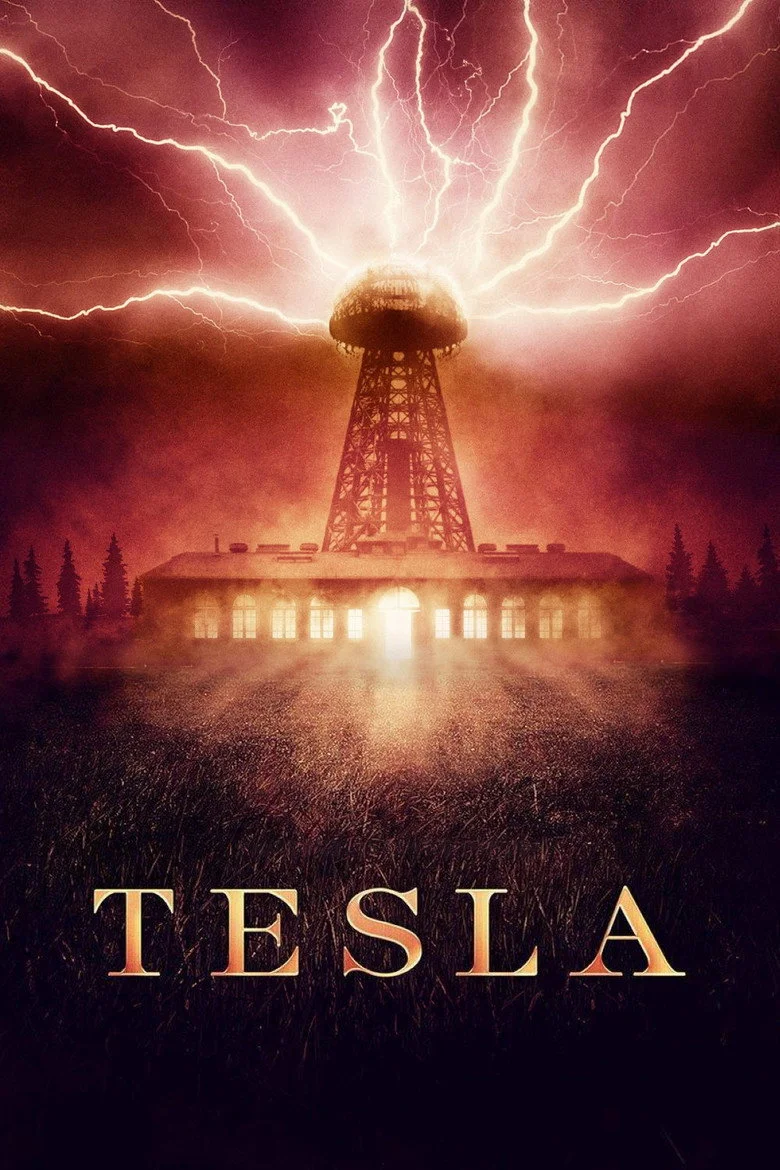
The AC Induction Motor
People behind it: Nikola Tesla
A motor that uses alternating current and a rotating magnetic field to produce motion, an important development in electrical power technology.
Why it matters
AC motors helped turn electrical power into useful mechanical work.
The movie
A documentary following Tesla’s inventions, his work in alternating-current technology, and the difficult course of his career.
History behind the movie
People behind it: Nikola Tesla. Tesla was a major contributor to AC motors and polyphase power. Alternating-current technology was developed by many people; he did not invent electricity.
Viewing lens: Notice the difference between an inventive principle, the engineering around it, and the business needed to put it into service.
WHY NEXTFrom electricity producing motion, turn to the Wright brothers’ challenge of controlling motion through the air.
- 05
CHAPTER 2
Flight, factories, and wartime machines
See engineering move from experiments into aviation, mass production, and codebreaking.
1903 · Wright Flyer · Invention
Controlled, Powered Flight
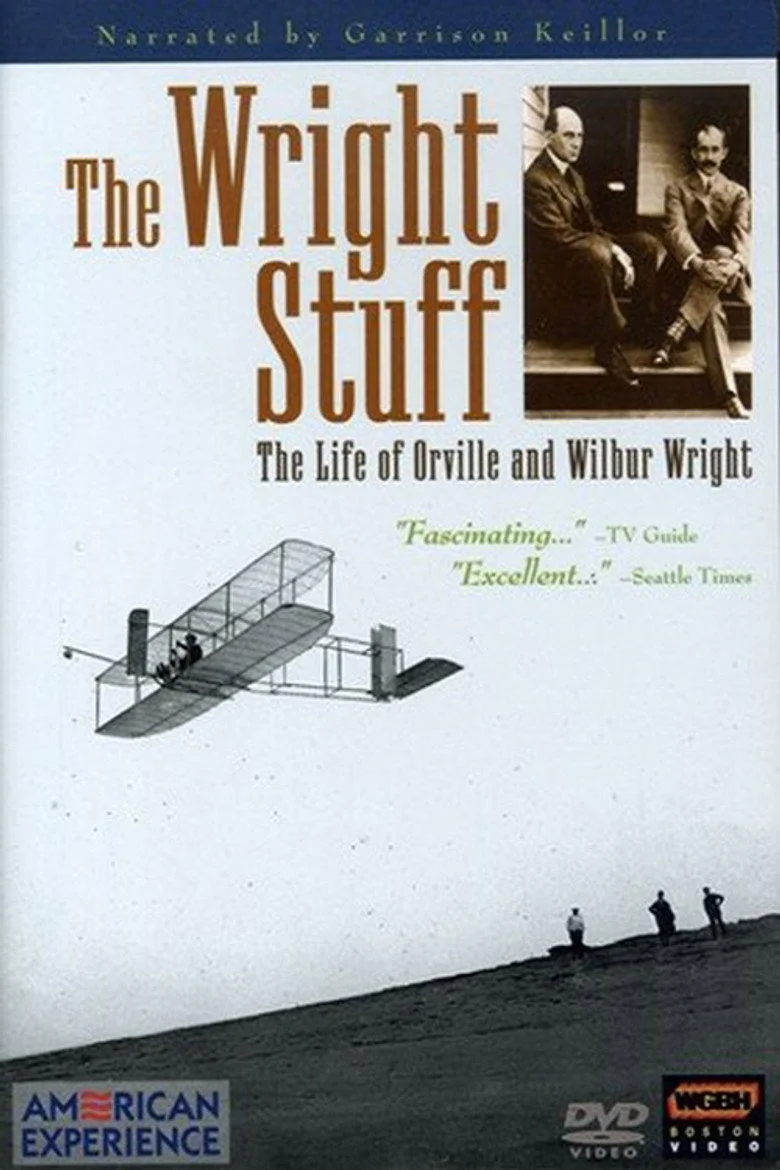
People behind it: Wilbur & Orville Wright
A powered, heavier-than-air aircraft that could be piloted through controlled, sustained flight. The breakthrough combined an engine, propellers, wings, and a workable control system.
Why it matters
Controlled powered flight helped establish the foundations of practical aviation.
The movie
A documentary following the Wright brothers from their experiments to their successful flights and public demonstrations.
History behind the movie
People behind it: Wilbur & Orville Wright. The landmark flights took place on December 17, 1903. The Wrights built on earlier aviation research; credit also belongs to the people who helped make the aircraft possible.
Viewing lens: Watch how repeated glider tests and attention to control matter as much as adding an engine.
WHY NEXTA successful flying machine proves an idea can work. Ford’s production system asks how machines can be built at scale.
- 06
1913 · Ford production system · Manufacturing development
The Moving Automobile Assembly Line
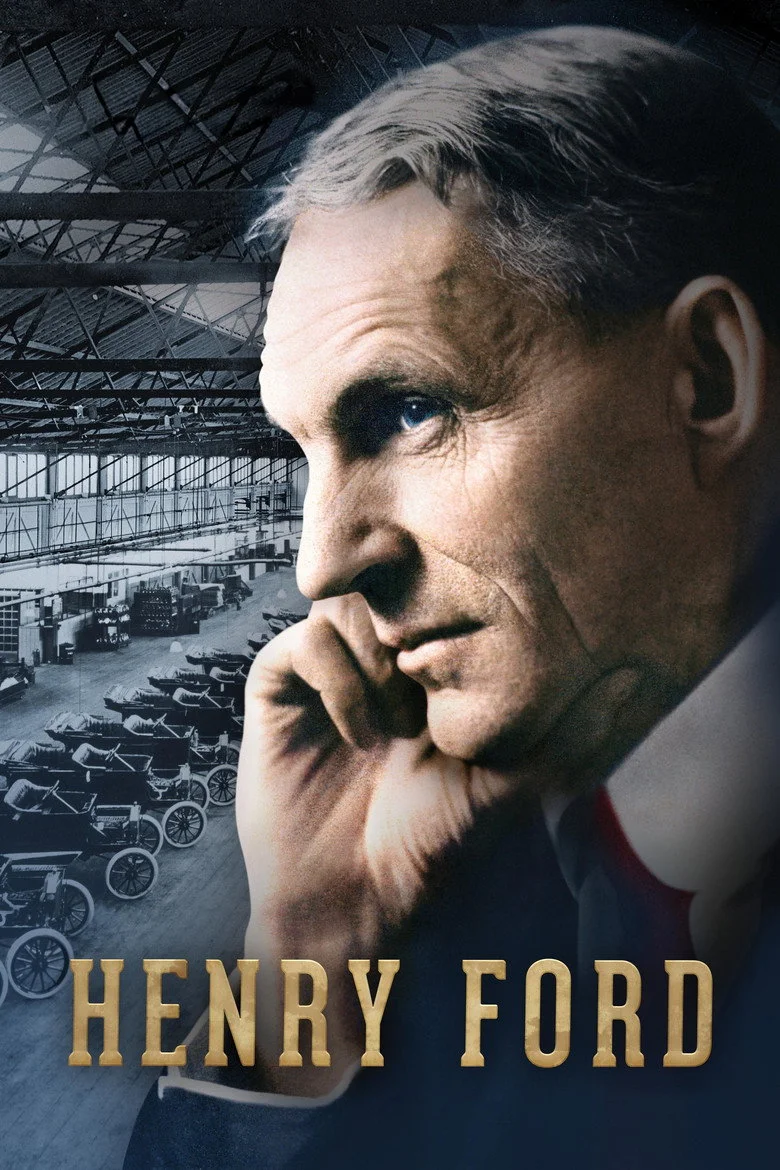
People behind it: Henry Ford & the Ford engineering teams
A production system that moves a car through a sequence of specialized tasks, bringing the work to the workers rather than building each car in one place.
Why it matters
Faster production helped lower car prices, while the repetitive work brought new pressures for factory workers.
The movie
A documentary about Ford, the automobile industry, and the business and labor conflicts behind mass production.
History behind the movie
People behind it: Henry Ford & the Ford engineering teams. Ford did not invent the automobile or every form of assembly-line production. His teams combined and refined methods for high-volume automobile manufacture. The documentary also examines his prejudices and labor practices.
Viewing lens: Consider who benefits from faster production—and what the system demands from the people doing the work.
WHY NEXTFrom organizing factory tasks, move to a machine that organizes a search through possible cipher settings.
- 07
1939–1940s · Codebreaking technology
The Bombe Codebreaking Machine
People behind it: Alan Turing, Gordon Welchman & the engineering team
An electromechanical machine used to search for settings of the German Enigma cipher, helping codebreakers read encrypted wartime messages.
Why it matters
Mechanizing the search for Enigma settings helped codebreakers process wartime intelligence.
The movie
A historical drama about Turing and the wartime codebreaking effort at Bletchley Park.
History behind the movie
People behind it: Alan Turing, Gordon Welchman & the engineering team. The British Bombe was a collaborative achievement building on Polish codebreaking work. It was not the first general-purpose computer, and the film changes people and events for dramatic effect.
Viewing lens: Look for the human reasoning around the machine. A Bombe was one part of a much larger intelligence operation.
WHY NEXTBoth wartime stories involve communication: one attacks an encrypted message, while the next proposes protecting a radio signal.
- 08
1942 · patent granted · Invention
Frequency-Hopping Communication
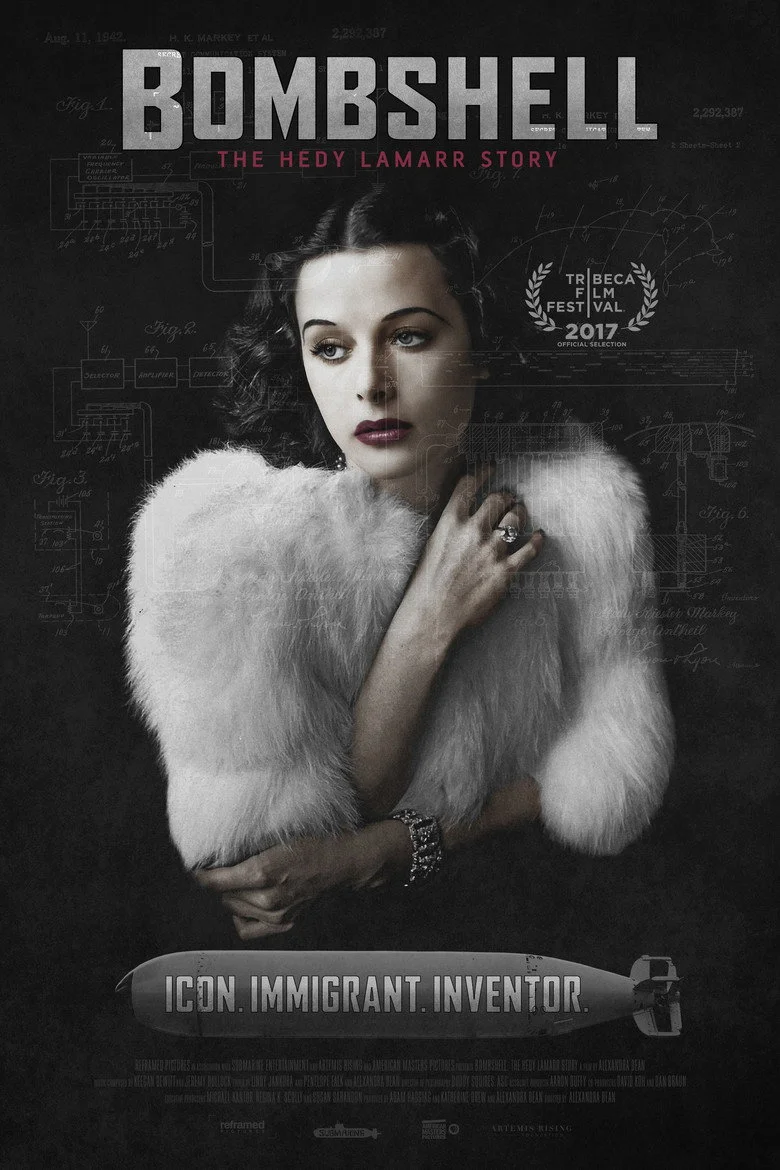
People behind it: Hedy Lamarr & George Antheil
A proposed radio system that switches frequencies in a coordinated pattern, designed to make a torpedo-control signal harder to jam.
Why it matters
The proposal illustrates an important strand in the development of secure wireless communication.
The movie
A documentary about Lamarr’s life and the communication system she developed with composer George Antheil.
History behind the movie
People behind it: Hedy Lamarr & George Antheil. Their joint patent was granted in 1942. This is one contribution to the history of wireless communication, not a claim that they invented modern Wi-Fi.
Viewing lens: Notice how Lamarr and Antheil connect radio control with synchronized changes of frequency.
WHY NEXTAfter a wartime proposal, return to the postwar marketplace, where Tucker tries to put ambitious engineering on the road.
- 09
CHAPTER 3
Inventions in everyday life
Explore cars, household tools, home computers, mobile devices, and local ingenuity.
1940s · postwar development · Automotive design
The Tucker 48 Automobile
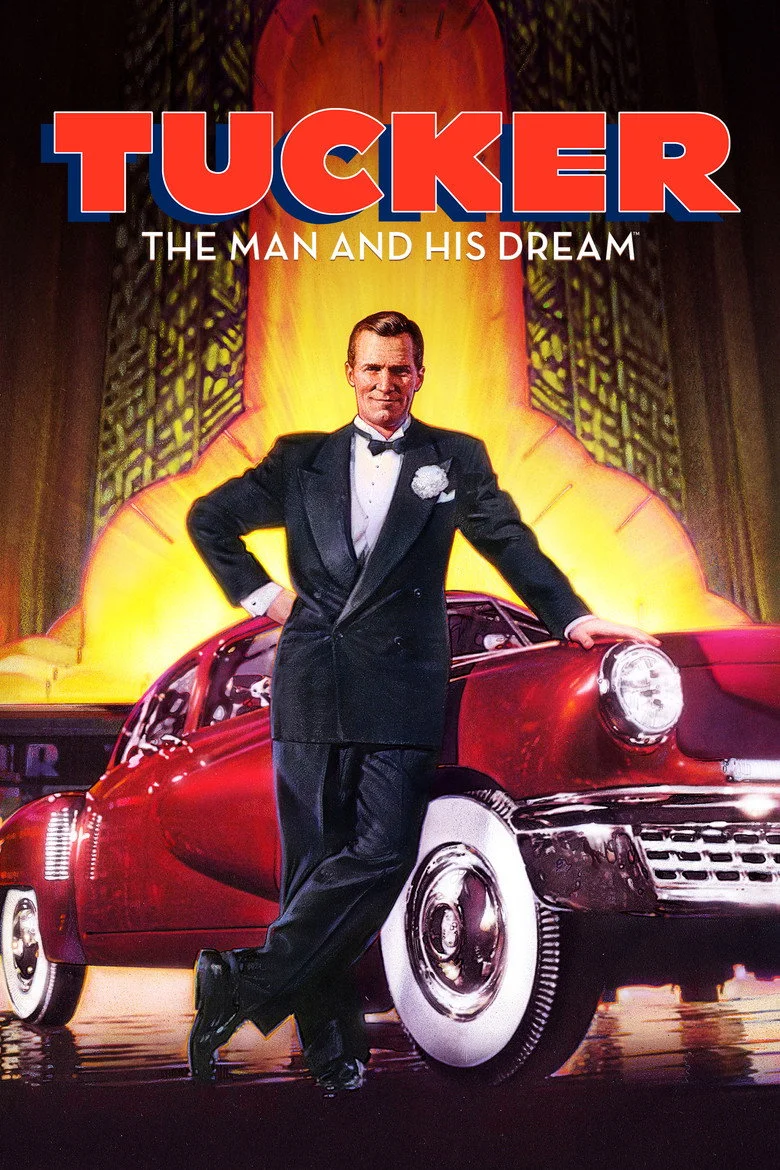
People behind it: Preston Tucker & his team
An ambitious postwar car that brought together ideas for safer, more innovative automobile design. Tucker did not invent the automobile.
Why it matters
Tucker’s story shows how ambitious vehicle design can struggle against manufacturing, finance, and the structure of an industry.
The movie
A dramatized account of Tucker’s attempt to build and sell his car while challenging established automakers.
History behind the movie
People behind it: Preston Tucker & his team. A dramatization of Tucker’s postwar automobile venture. The car was a team effort; the film is not a complete record of every engineering contribution.
Viewing lens: Compare the promise of a prototype with the work required to build cars reliably at scale.
WHY NEXTFrom redesigning a whole car, focus on a smaller automotive improvement and the fight over who owns it.
- 10
1960s · development · Invention
Intermittent Windshield Wipers
People behind it: Robert Kearns
Windshield wipers that pause between sweeps, helping drivers clear light rain without running the blades continuously.
Why it matters
Intermittent wiping gave drivers a more useful option in light rain, showing how a modest-looking improvement can have broad everyday value.
The movie
The story of Kearns developing his wiper system and fighting automakers over the rights to his invention.
History behind the movie
People behind it: Robert Kearns. The story follows Kearns and his patent dispute over intermittent wipers. Courtroom and family scenes are dramatized.
Viewing lens: Watch the distinction between demonstrating a solution and defending the rights to it.
WHY NEXTThe wiper story concerns an everyday machine. Home computing brings a different kind of programmable machine into everyday life.
- 11
Late 1970s–1980s · Technology development
British Home Computers
People behind it: Clive Sinclair, Chris Curry & their teams
Affordable computers designed for use at home, including the competing Sinclair and Acorn machines. This is the development of a market, not the invention of the first computer.
Why it matters
More accessible home computers gave people new opportunities to program, learn, and experiment.
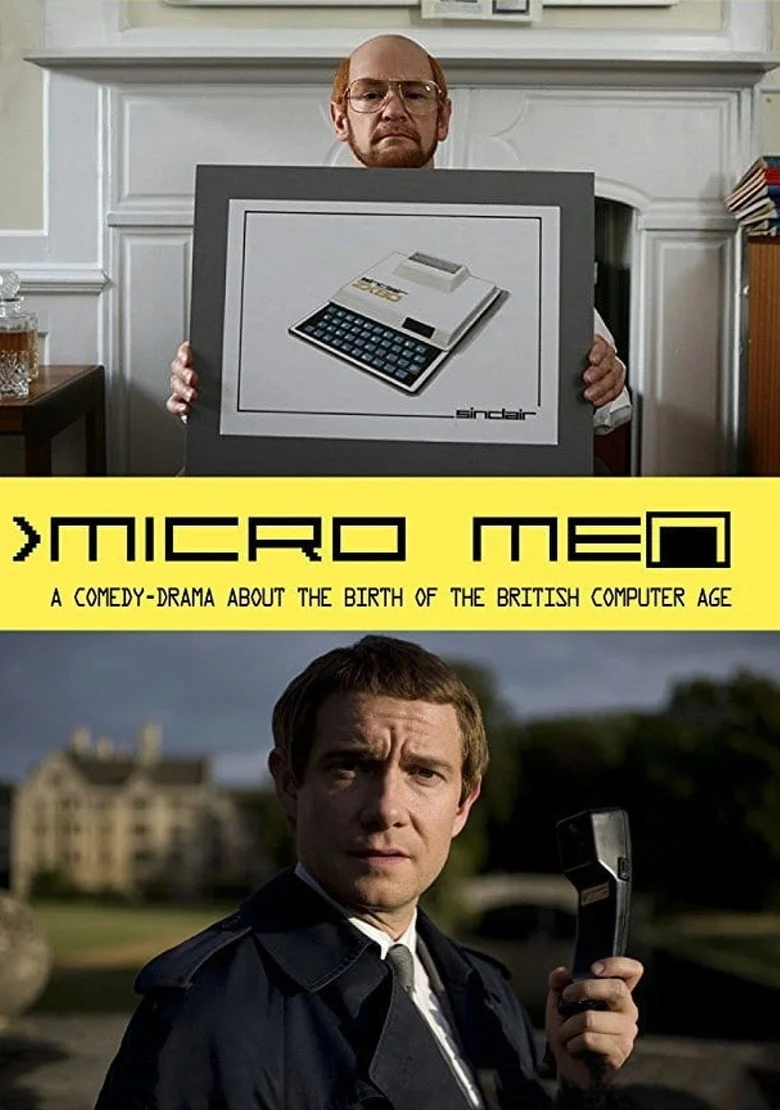
The movie
A television drama about the rivalry behind Britain’s home-computer boom.
History behind the movie
People behind it: Clive Sinclair, Chris Curry & their teams. A television film about Britain’s home-computing boom. It does not depict the invention of the first computer.
Viewing lens: Notice how software, education, price, and distribution influence which computer finds its audience.
WHY NEXTAfter computers in the home, look at a familiar household problem and the work of turning its solution into a product.
- 12
1990s · Product invention
The Self-Wringing Mop
People behind it: Joy Mangano
A mop designed so its head can be wrung out without squeezing the wet fibers by hand.
Why it matters
An improvement to a household tool becomes a story about design, manufacturing, and demonstrating a product to buyers.
The movie
A fictionalized drama inspired by Mangano’s journey from a household product idea to building a business.
History behind the movie
People behind it: Joy Mangano. A fictionalized story inspired by Mangano and other women. Treat its characters and events as drama rather than a literal biography.
Viewing lens: Watch how showing a product in use makes its advantage easier to understand.
WHY NEXTFrom explaining a simple product’s benefit, move to General Magic’s much harder task of selling a future people have not yet experienced.
- 13
Early 1990s · Technology development
The Handheld Personal Communicator
People behind it: Marc Porat, Andy Hertzfeld, Bill Atkinson & the General Magic team
A vision of a handheld computer for messages, information, and digital services, bringing together ideas that would later become familiar in mobile computing.
Why it matters
The company offers a useful case study in how an unsuccessful product can still contribute ideas and experience to later technology.
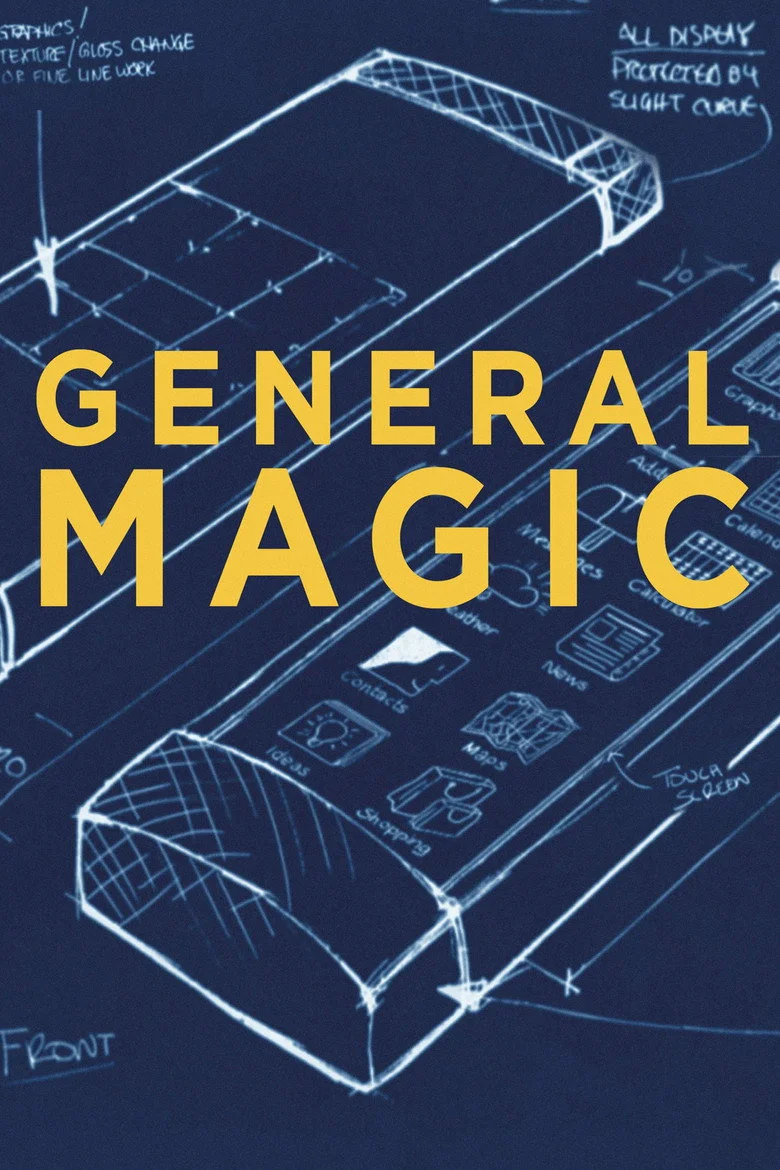
The movie
A documentary about General Magic’s ambitious product vision, the people building it, and the gap between an idea and a successful product.
History behind the movie
People behind it: Marc Porat, Andy Hertzfeld, Bill Atkinson & the General Magic team. General Magic was one contributor to mobile computing. This entry does not claim it invented the first smartphone or that its original product was a commercial success.
Viewing lens: Ask what else has to be ready—networks, hardware, price, and everyday habits—for a new device to make sense.
WHY NEXTEnd with technology adapted to an immediate local need, where the challenge is making something useful from what is available.
- 14
Early 2000s · Resourceful adaptation
A Wind Turbine from Salvaged Parts
People behind it: William Kamkwamba
A locally built wind turbine assembled using available materials and knowledge from books. Kamkwamba adapted wind-power technology; he did not invent the wind turbine.
Why it matters
Locally adapted engineering can help a community make use of available resources and knowledge.
The movie
A drama based on a Malawian boy’s effort to build a wind turbine as his family and community face famine.
History behind the movie
People behind it: William Kamkwamba. Based on Kamkwamba’s story. He did not invent wind power; the achievement is the resourceful local application of it.
Viewing lens: Notice the testing, salvaging, and learning behind a machine built with limited resources.